Security
How to keep your exchange account and wallets safe.
 Security
Why a Password Manager Beats Memory for Crypto Accounts
Most account takeovers start with a reused password from another site. A password manager removes that weak point without asking you to remember anything.
 Security
What to Do in the First Hour After a Crypto Account Is Compromised
If you suspect someone has access to your account or wallet, the first hour matters most. Here is a plain order of steps to follow.
 Security
Multisig Wallets Explained for Beginners
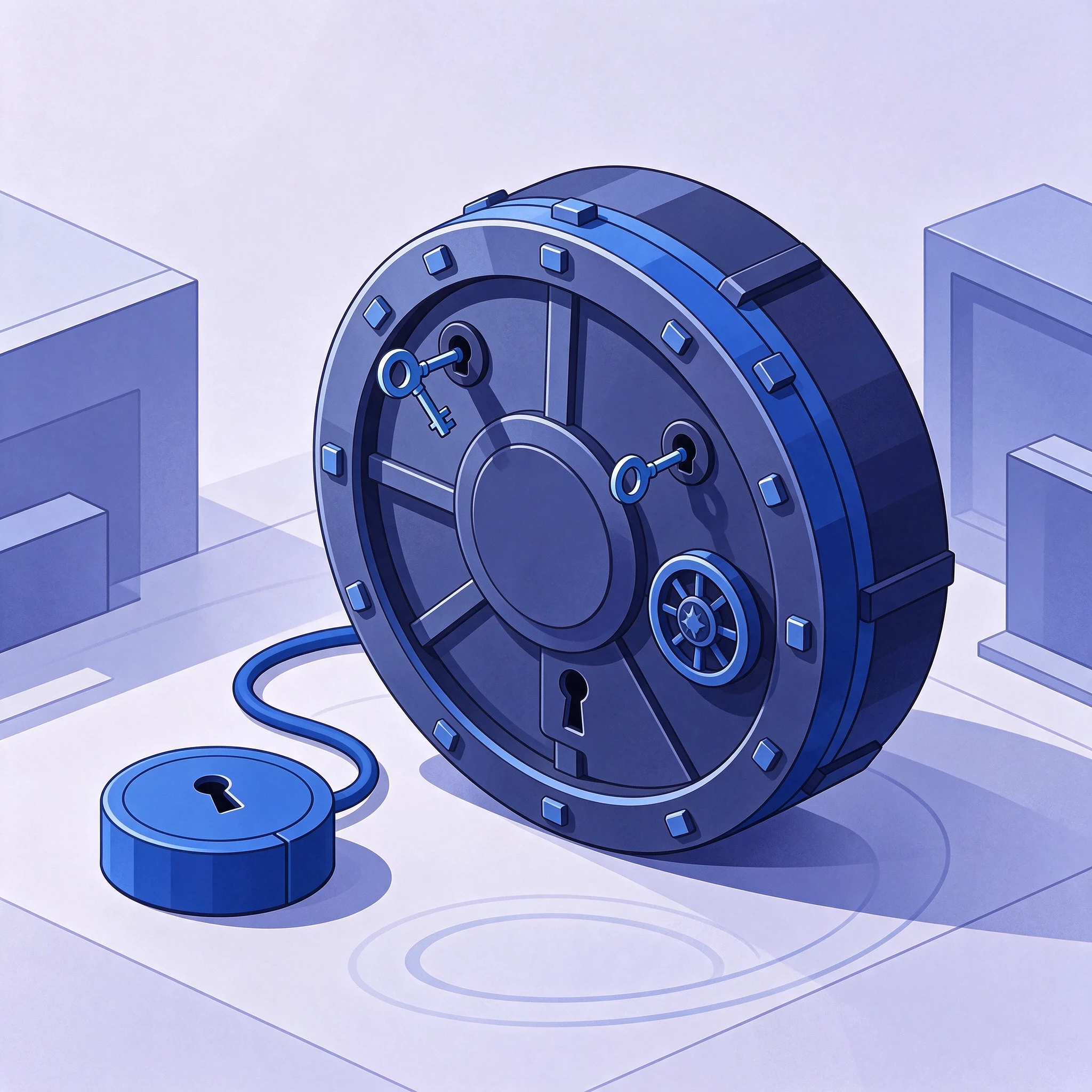
A normal wallet has one key, so one mistake or one thief can empty it. A multisig wallet needs several approvals before funds move.
 Security
Clipboard Hijackers and Malicious Extensions That Steal Crypto
You copy an address, paste it and press send, and the funds go to a different address. Malware that swaps what you copy is real, and so are fake browser extensions.
 Security
Token Approvals and How to Revoke Them Safely
When you connect a wallet to an app, you often approve it to spend your tokens. That permission can stay active long after you stop using the app.
 Security
SIM Swap Attacks and How to Protect Your Phone Number
If an attacker takes over your phone number, every SMS code and password reset that goes to it is theirs. Here is how the attack works and how to reduce the risk.
 Security
API Key Safety for Traders and Trading Bots
An API key lets a program act on your exchange account. If it leaks with the wrong permissions, a stranger can do the same.
 Security
Withdrawal Address Whitelist and Why It Protects Your Funds
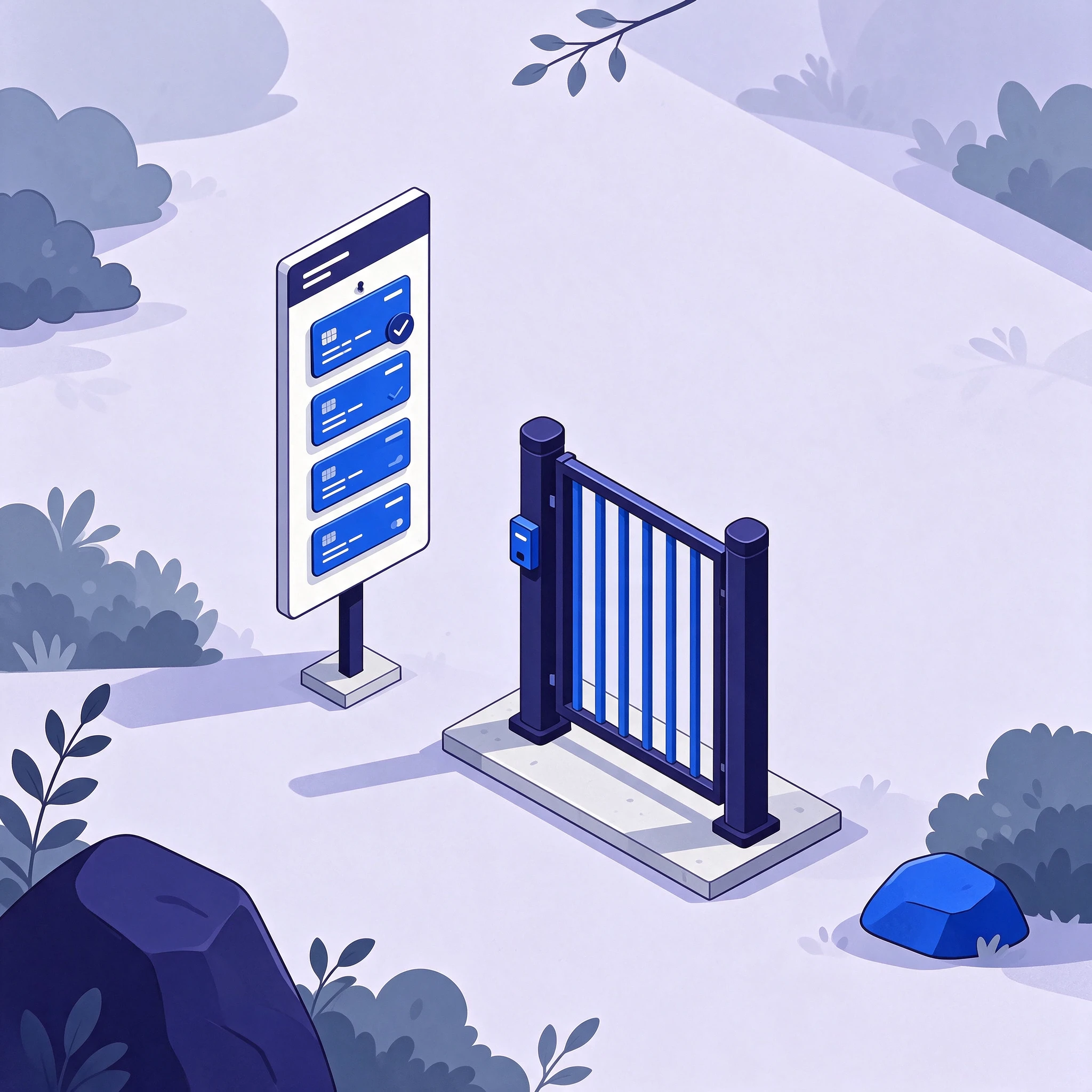
If someone gets into your exchange account, the first thing they try is a withdrawal to their own address. A whitelist can make that much harder.
 Security
How to Verify an Exchange Email or Link Before You Click
Fake emails that copy an exchange's design are the most common way accounts are lost. A few quick checks tell you whether a message is real.