What the halving is
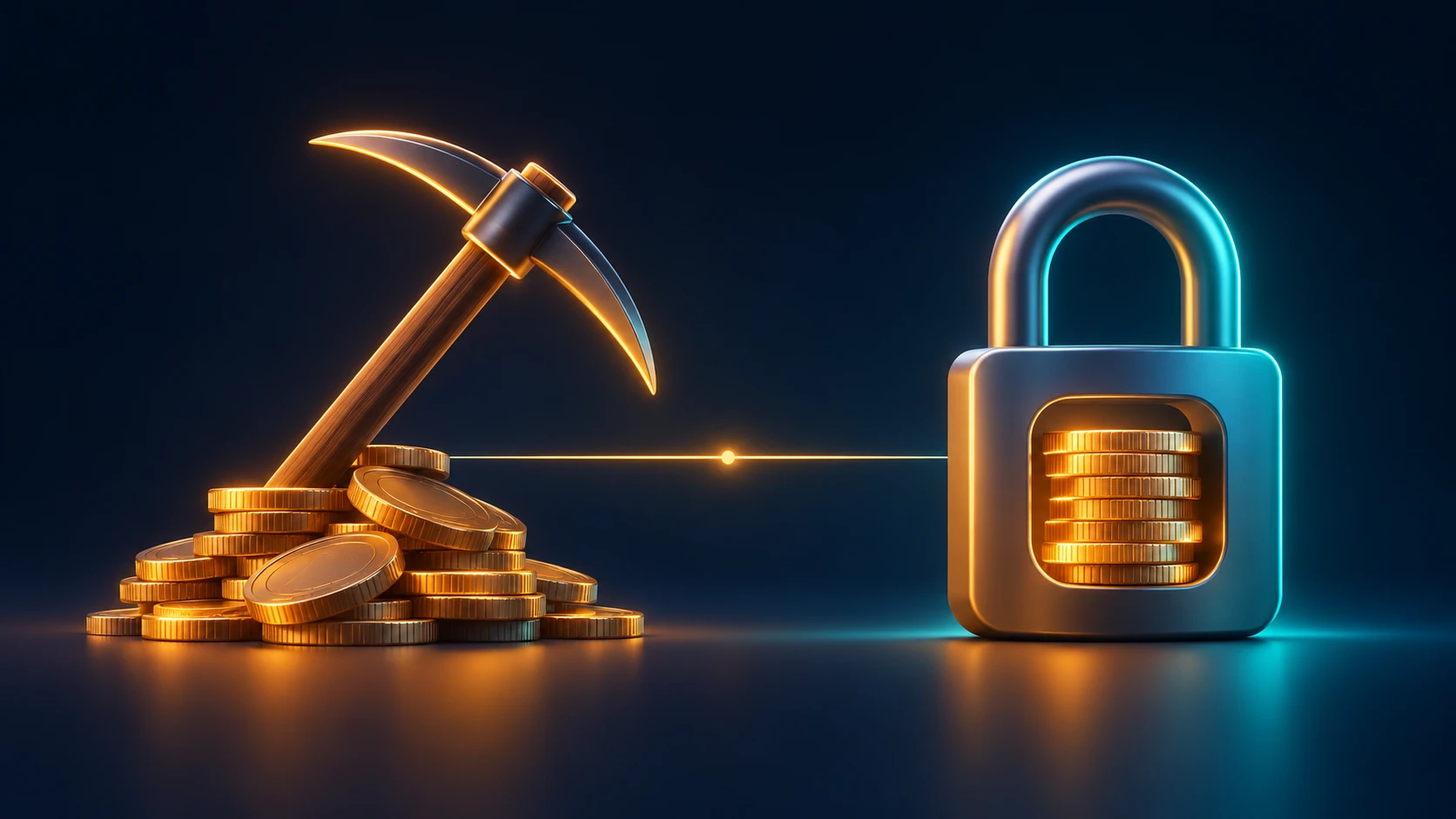
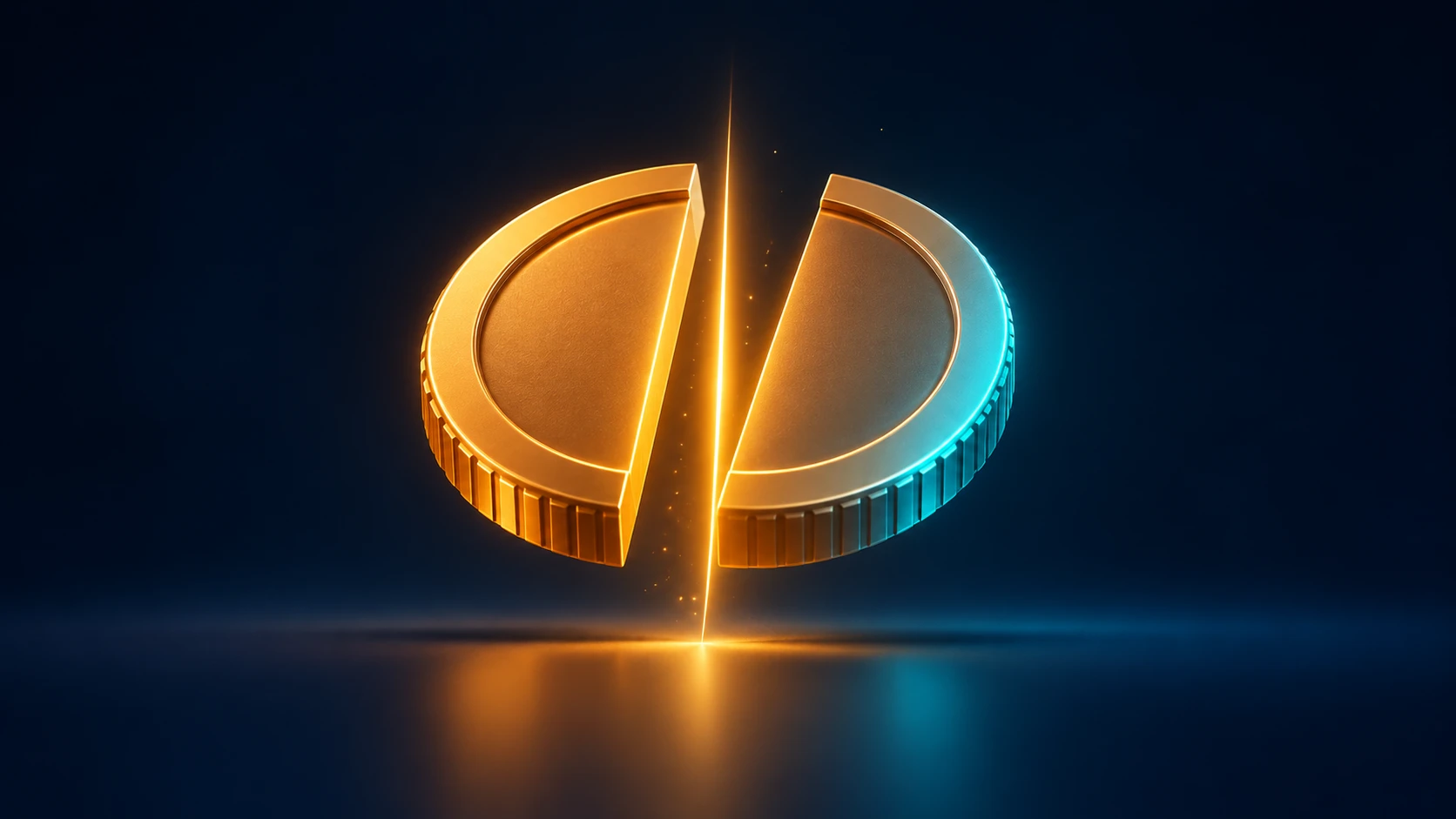
New bitcoin enters circulation as a reward for miners who add blocks. Every 210,000 blocks, which takes roughly four years, that reward is cut in half. It started at 50 BTC, then 25, 12.5 and 6.25, and since April 2024 it is 3.125 BTC per block.
Why it exists
The total supply of bitcoin is capped at 21 million. Halvings make new issuance fall step by step until the last coins are mined, which is expected around the year 2140.
What changes
The flow of new coins slows down.
Miners earn less per block, so less efficient miners may switch off if the price does not compensate.
Over time, transaction fees must make up a larger share of miner income.
What it does not guarantee
Many people expect a price rise after every halving, but there is no formula. The event is known years ahead, so markets may price it in earlier. Other factors, such as interest rates and demand, usually matter more. Past cycles are a small sample and do not promise a repeat.
How to treat it
Treat the halving as a known feature of Bitcoin's supply, not as a trading signal. If you decide to trade around it anyway, size your position so a wrong guess does not hurt (see Position Sizing and How Much to Risk on One Trade).
This article is not investment advice. Crypto assets carry a high risk of loss.
Get part of your trading fees back
Open the Telegram bot, link your exchange account and follow your cashback balance.